Hearing Tests
Which hearing aid is best for you?

How to know if you have hearing loss
For most people, hearing loss doesn’t happen overnight. Instead, it’s gradual, slowly getting worse over the years. This gradualness can be deceiving, and can cause many people to be unsure that what they’re experiencing is really hearing loss.

Can hearing tests measure hearing loss?
The best way to determine for sure if you have hearing loss is to test and measure it.
- You can start by taking our free online hearing test. This short, simple screening tool is easy to use, and you can do it from home on your computer or smart tablet.
- You can also try our hearing loss simulator. This interactive tool demonstrates what hearing loss sounds like — from mild hearing loss to severe, and in a variety of situations and environments.
Accurate hearing tests in office
To get an accurate hearing measurement, a visit to our office is recommended. At our office, we have the proper equipment, calibrated testing tools, and a sound-proof facility needed to measure your hearing with precision.
Tests we recommend:
- Pressure test to check the flexibility of your eardrum (and its ability to transmit sound).
- Tone test to measure how softly you can hear tones of different pitches (which will be charted on an audiogram).
- Speech test where you are asked to repeat words and/or sentences you hear at different volumes.
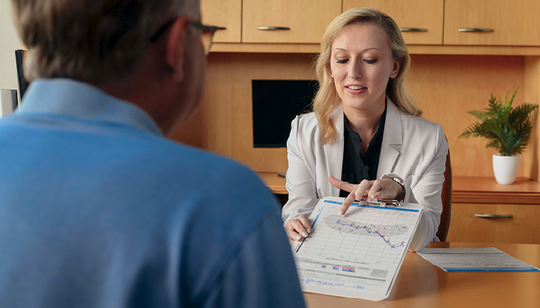
We’ll display the results of your test in an audiogram, which accurately charts the type, degree and configuration of your hearing loss.
Hearing Aid Fitting
Ensuring a Proper Fit
Because every ear is unique — just like a fingerprint — it’s important that every hearing aid is fit with care and precision. But it’s not just the physical fit that needs to be customized.
The key to a good hearing aid fitting is tailoring the many audio components to the type, degree and configuration of your specific hearing loss. We do this in-person with advanced fitting software that we’re able to fine tune to your liking while you’re wearing your new hearing aids. We do this because not only is every ear unique — what sounds good to each person is unique, too.
Using our fitting software, we’re able to:
- Fine tune frequencies
- Ensure comfortability of sound levels
- Customize settings
- And more
Hearing Aid Repair
Repair Information
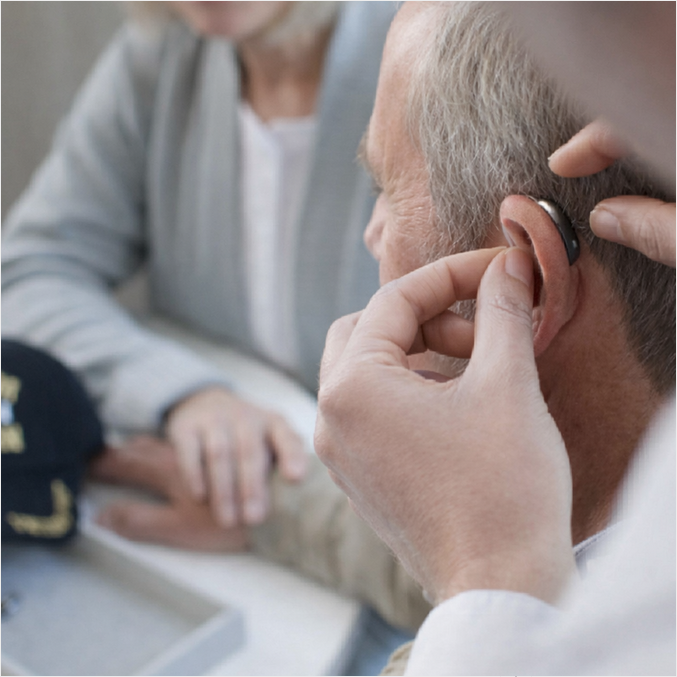
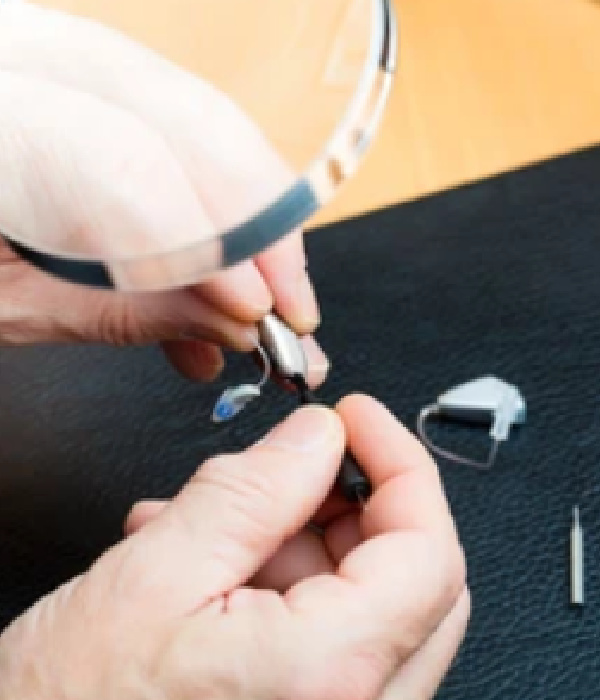
While we always strive to avoid repairs, hearing aids — like most sophisticated technology — sometimes require them.
At A1 Affordable Hearing, we make the hearing aid repair process as fast, hassle-free and affordable as possible, and provide hearing aid repairs for the following major brands: Starkey, Phonak, GN Resound, Siemens, Miracle Ear, Costco Kirkland Signature, Unitron, Oticon, and many more.
- We can make many repairs in-house, saving time and money
- We repair any brand or age of hearing aid
- We know your hearing aid is an important part of your life, so always get it back to you as soon as possible
Our hearing aid repair process:
- We will assess the hearing aid and let you know what needs to be done to repair it
- If we can repair it here, we will (either while you wait or as quickly as possible)
- If the repair requires sending it back to the manufacturer, we can do all the paperwork, shipping and handling for you
- Once the hearing aid is repaired, we’ll notify you and arrange to get it back to you
How much do hearing aid repairs cost?
Hearing aid repair costs vary depending on several factors:
- Whether or not the hearing aid is still under warranty
- The extent of damage to the hearing aid
- The cost of replacement parts for your hearing aid
We are the first and best place to get hearing aids repaired or serviced! We make it a priority to put you first and help you hear as best as you can.
Hearing Protection
Protect your hearing around damaging noise
Everyone experiences loud noises, and they aren’t always avoidable. In fact, noise-induced hearing loss (NIHL) affects nearly 40 million American adults today. Fortunately, there are proven ways to protect your hearing and ultimately reduce your risk of hearing loss.
How loud is too loud?
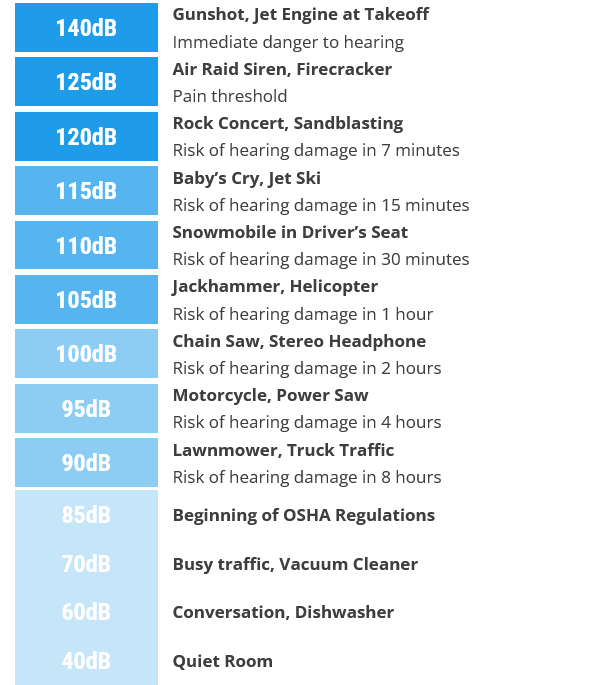
It might surprise you to learn how many everyday things we encounter that can damage your hearing. And it isn’t just the volume of a sound that matters, but also the duration of exposure. The following are examples provided by the CDC to give you an idea of how easy it is for something to damage your hearing permanently.

SoundGear
Wherever sound is a problem, SoundGear has a solution.
Whether you’re in the woods, the shop, at the track or on the factory floor, hearing is key to your success and safety. Yet the competing need to protect your hearing from the damaging sounds of your environment creates a unique noise management challenge.
That’s a job for SoundGear.
Phantom
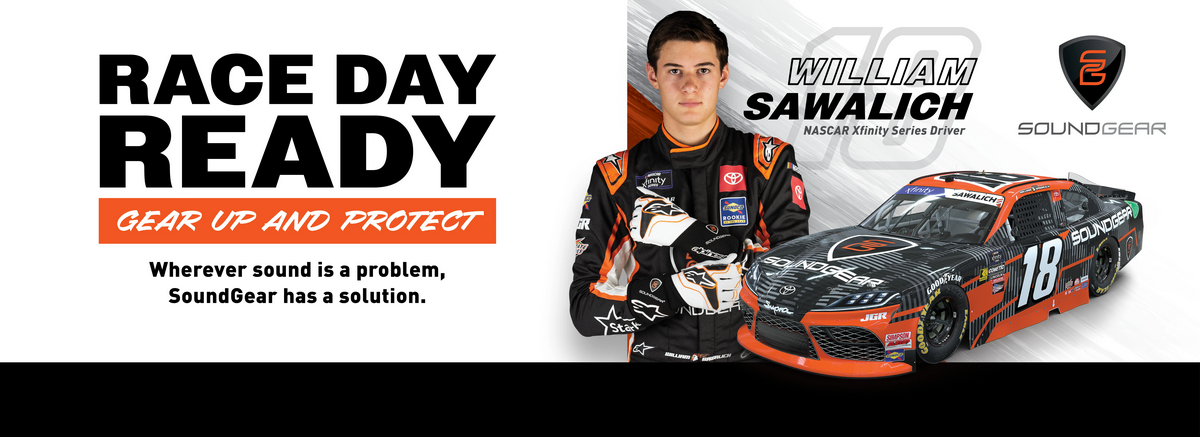
SoundGear Phantom is the world’s first—and still most popular—custom, rechargeable, and Bluetooth® compatible hearing aid and protection device.
Offering an unrivaled custom fit, Phantom lets you hear environmental sounds and conversations more clearly while offering protection from both sudden and continuous loud sounds.
Its comfortable fit, streaming capabilities and 23 hours of battery life mean you can wear it all activity long, without taking it in and out when you answer the phone, have a conversation or take a short break.
In addition to being a hearing protection device, the SoundGear Phantom is an FDA-listed prescription hearing aid and may be fitted to compensate for hearing loss, consistent with the product’s labeling and applicable law.

What is noise-induced hearing loss?
Noise-induced hearing loss (NIHL) is hearing loss caused by either exposure to a loud impulse sound like a gunshot or explosion, or prolonged exposure to high levels of noise. It can happen immediately or gradually over time.
The Centers for Disease Control and Prevention estimates that 40 million US adults have noise-induced hearing loss, which is preventable.
Noises below 75 decibels (dB), are unlikely to cause hearing loss. Sounds 85 dB and above can. See decibel levels for common sounds — and their associated hearing loss risks.

Preventing noise-induced hearing loss
Fortunately, noise-induced hearing loss can be prevented. Preventing noise-induced hearing loss requires you to do three things:
- Know what sounds are too loud (anything above 85 dB)
- Either avoid loud sounds or limit your exposure or proximity to them
- Wear hearing protection when you can’t avoid or move a safe distance from loud noises

10 tips to help protect your hearing
- Use hearing protection around loud sounds. Foam earplugs are an economical solution, or consider purchasing custom earplugs to best reduce the sound levels.
- Turn the volume down on the TV, radio, music, etc.
- Avoid loud or noisy activities/places, when possible.
- Limit your time exposed to loud sounds.
- When listening to loud sounds (e.g., music, concerts, fitness classes, etc.), take breaks from the noise.
- Move away from the loudest sound source (e.g., speakers, fireworks, etc.).
- Give your ears time to recover after being exposed to loud noises.
- Do not put anything smaller than your elbow in your ear! This includes cotton swabs, bobby pins, keys, paperclips, or anything else you might use to clean or scratch your ears.
- Keep moving! Exercise keeps the blood pumping throughout the body, including the ears. This keeps the internal parts of the ears healthy.
- Get your hearing tested, especially if you experience a change in your hearing, ringing or fullness in your ears over 24 hours.